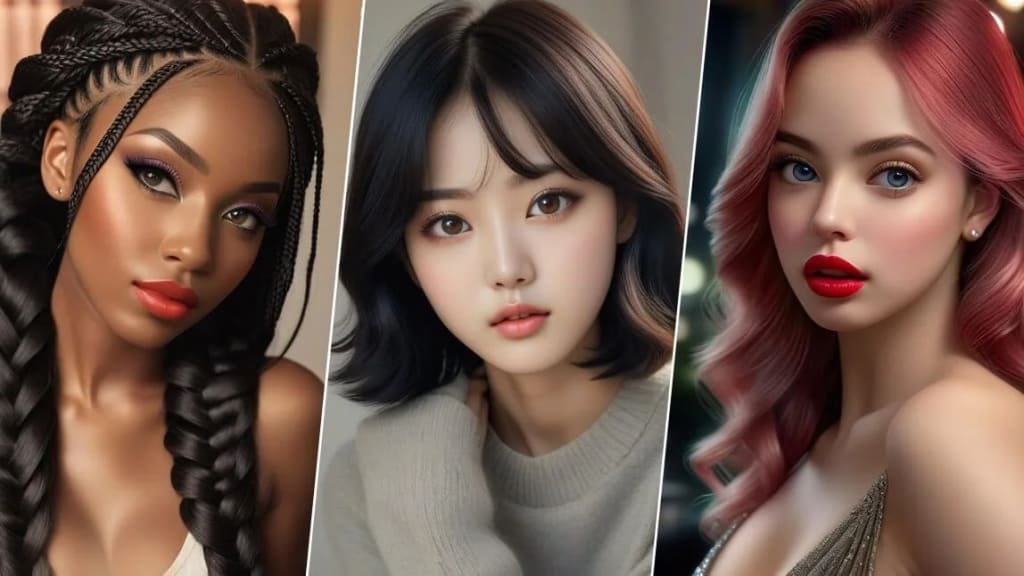
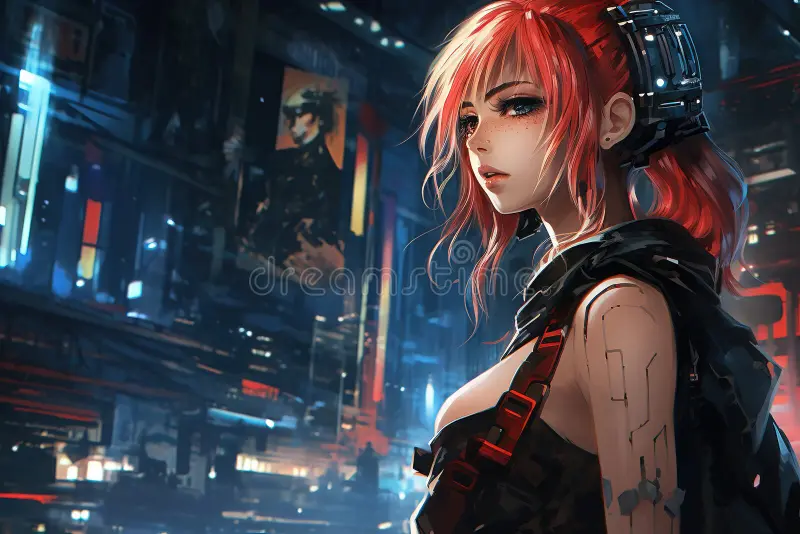
When setting up a digital companion platform, one of the first and most critical decisions a user faces is selecting the visual engine. The market in 2026 is sharply divided into two distinct aesthetic domains: Anime/Manga stylized avatars and Photorealistic hyper-rendered models.
While it is easy to assume this choice is purely cosmetic, the underlying image-generation diffusion models and natural language processing (NLP) fabrics interact differently based on the aesthetic framework you choose. Here is a technical breakdown of how visual rendering styles impact your overall roleplay experience.
Anime Models: The Kings of Complex Textual Roleplay
Anime-based platforms are built on fine-tuned iterations of specialized diffusion models (like novel extensions of Anything-V5 or custom Waifu diffusion weights). Because the anime art style relies on clean lines, standardized emotional expressions (like anime-style blushing or sweat drops), and dramatic tropes, the AI has a massive advantage.
- Higher Prompt Accuracy: Anime models are incredibly responsive to text-to-image prompt modifiers. If your roleplay script dictates a complex, fantastical environment—such as a cyberpunk neon bar or a high-fantasy castle—the anime rendering engine can generate matching backgrounds flawlessly without breaking the anatomical logic of the character.
- Contextual Fluidity: Because anime characters are natively associated with deep storytelling, light novels, and rich lore, the text models behind them are often heavily trained on interactive fiction data. This results in highly creative, adaptable text responses that don’t struggle with long-form fantasy or sci-fi world-building.
Photorealistic Models: The Immersion Overhaul
Photorealistic engines aim for absolute cinematic fidelity, utilizing advanced Stable Diffusion XL (SDXL) checkpoints or custom photorealistic pipelines. The primary draw here is visual immersion—the character looks like a real person sending you a live selfie.
- The Uncanny Valley Limitation: The biggest technical hurdle for photorealistic models remains structural clipping. While a standard standing selfie looks pristine, if your active roleplay context demands an unusual physical action or a complex dynamic posture, photorealistic engines are much more prone to rendering glitches (like missing fingers or distorted background perspective).
- The “Commercial Filter” Effect: Many high-end photorealistic image generators are built on heavily monitored base weights. This means that when it comes to unfiltered, raw creative writing or intensive physical action generation, photorealistic models can occasionally hit invisible algorithmic guardrails, delivering generic or slightly rigid text responses compared to their open-source anime counterparts.
The Verdict: Tailoring the Tech to Your Style
The choice between these two powerhouses ultimately depends on your primary roleplay objective:
- Choose Anime Models if your primary goal is deep, complex narrative world-building, high-concept fantasy roleplay, and rapid, accurate image generation for highly specific actions.
- Choose Photorealistic Models if your priority is maximum visual realism, slice-of-life casual chatting, and the psychological thrill of interacting with an avatar that blurs the line between code and reality.